What is Bone Grafting?
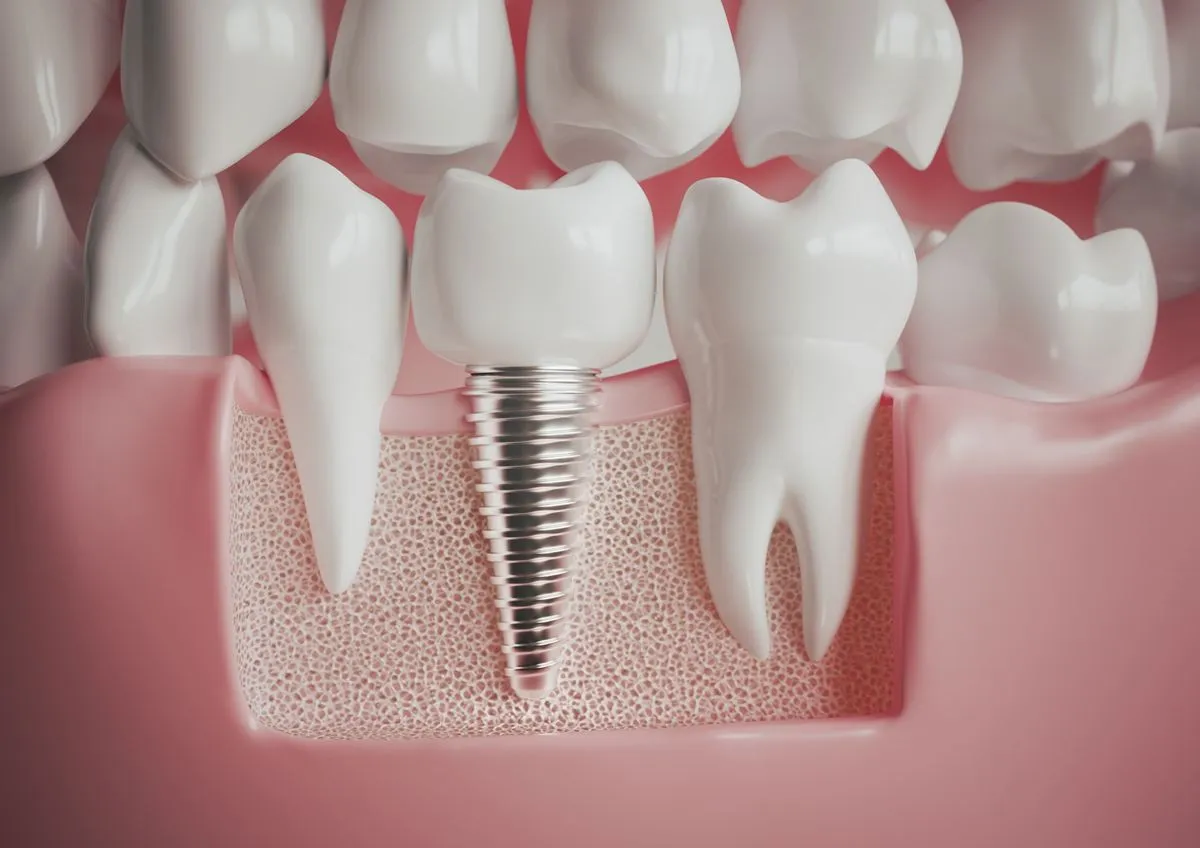
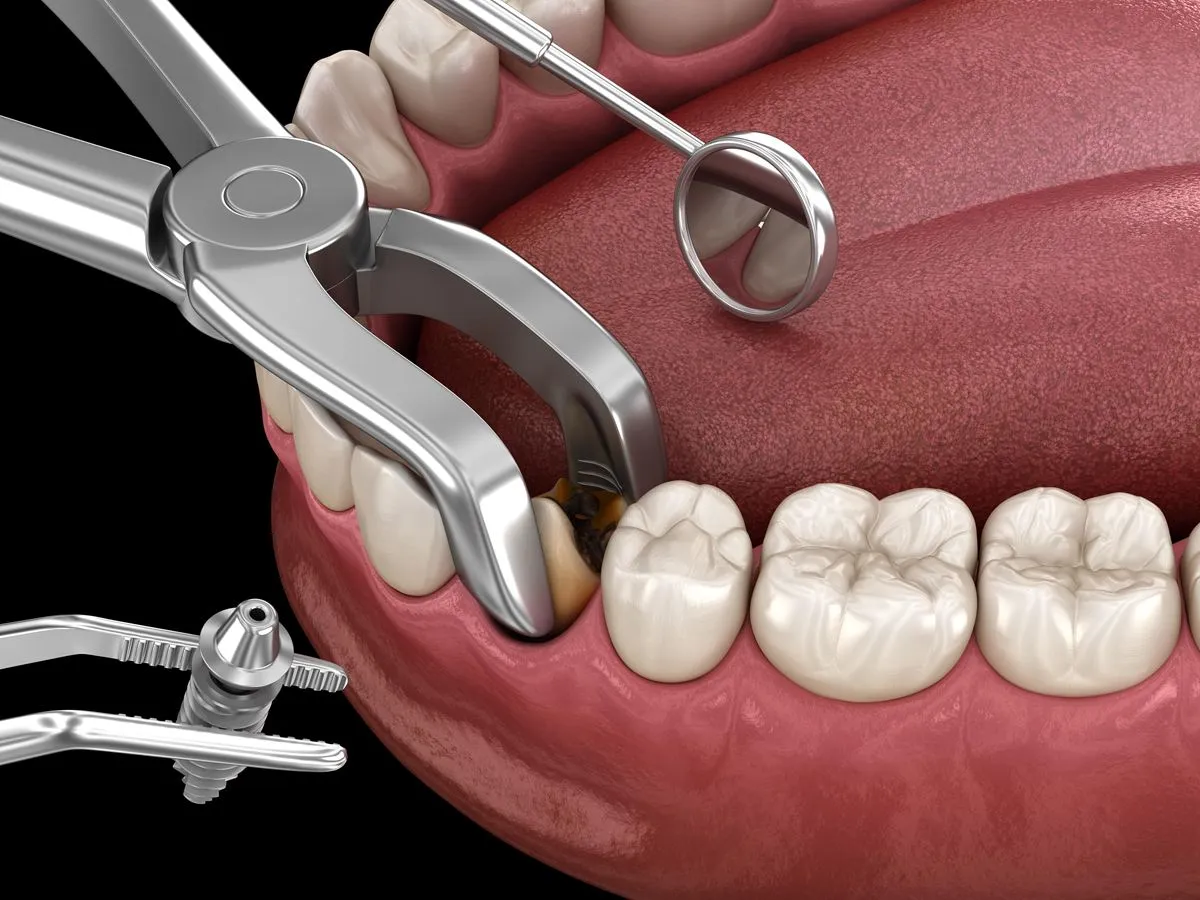
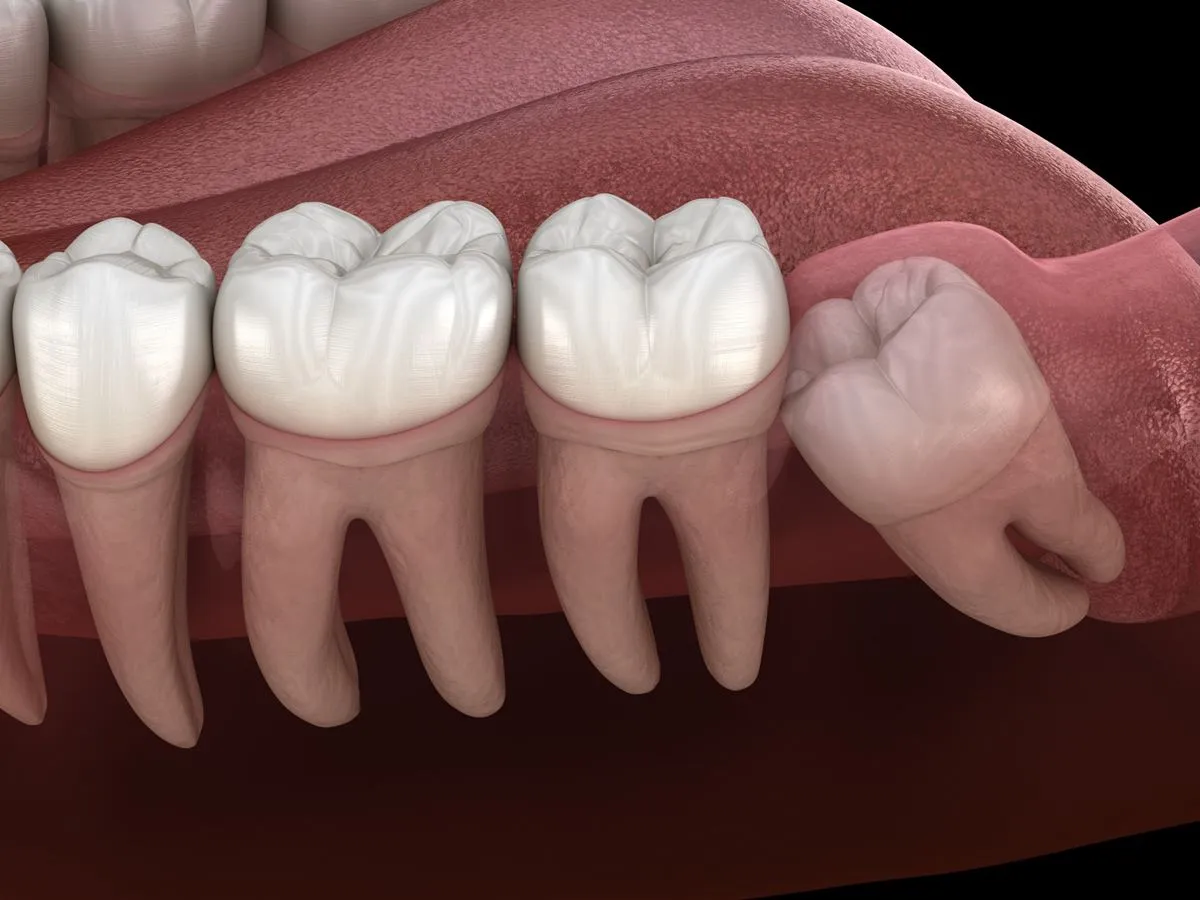
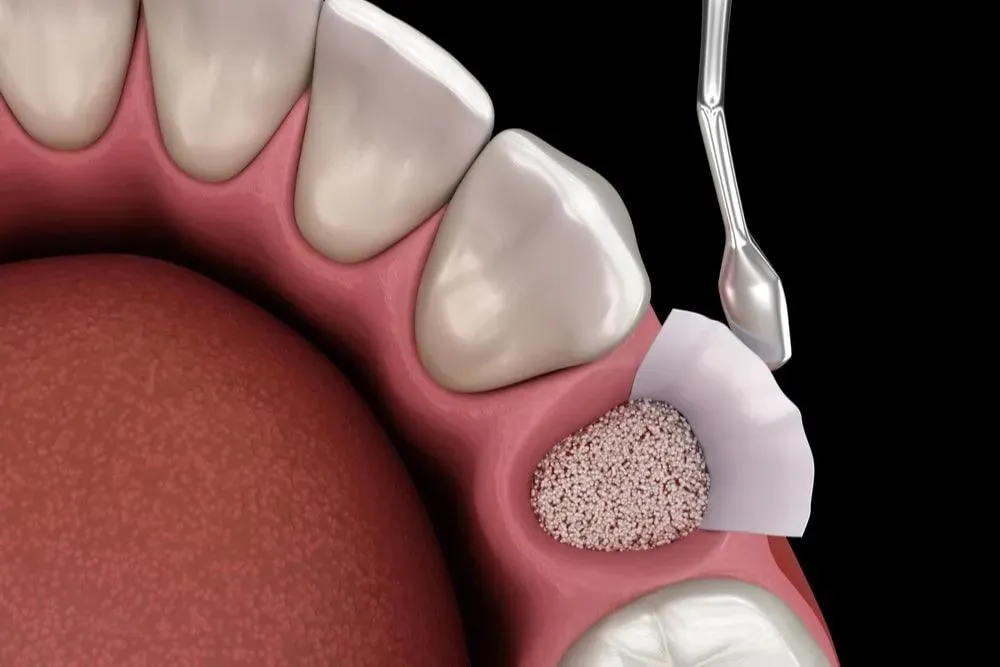
Bone grafting is a surgical procedure that helps restore and strengthen the jawbone, making it capable of supporting dental implants or repairing bone defects. When teeth are missing for a long time, the jawbone can weaken or shrink, making it unsuitable for implants or dentures. A bone graft adds volume and density by transplanting bone tissue, which can come from a donor or even your own body. This ensures your jawbone can securely support dental work like implants or bridges.
Why is Bone Grafting Necessary?
Bone grafting is often required when the jawbone is too soft or thin to hold dental implants securely. Without enough bone, the implant may fail, shift, or cause further complications. Additionally, bone grafting helps restore facial structure that can become sunken or hollow due to bone loss. By reinforcing the jaw, this procedure not only supports dental restorations but also enhances your overall appearance.
What is the Bone Grafting Procedure Like?
The surgery typically takes 1-2 hours, and it is performed under anesthesia to ensure comfort. After the bone is grafted to the jaw, it needs time to fuse with your existing bone, which can take 3-6 months. Proper care during recovery is crucial to avoid risks like infection or graft rejection. Most patients can return to normal activities within a few days, though full recovery may take longer.
Bone grafting is a vital step for anyone considering dental implants, as it ensures that your jawbone is strong enough to support the implant and maintain long-term stability.