Why is a Root Canal Necessary?
- Tooth decay or trauma exposes the pulp (nerve and blood vessels)
- Bacteria infect the pulp, causing pain and abscesses
- Untreated, the infection spreads, leading to tooth loss
The Root Canal Process
- Anesthesia: Numbing the tooth for comfort
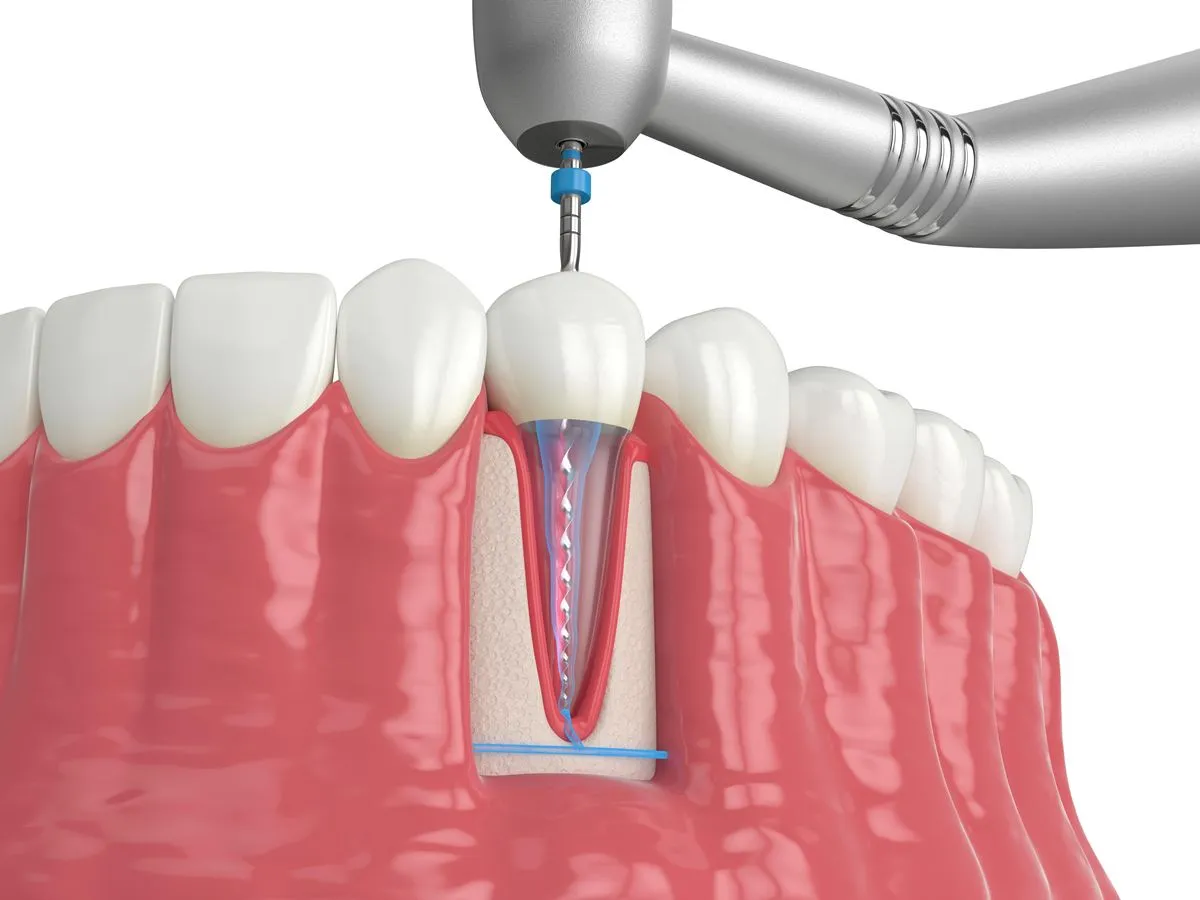
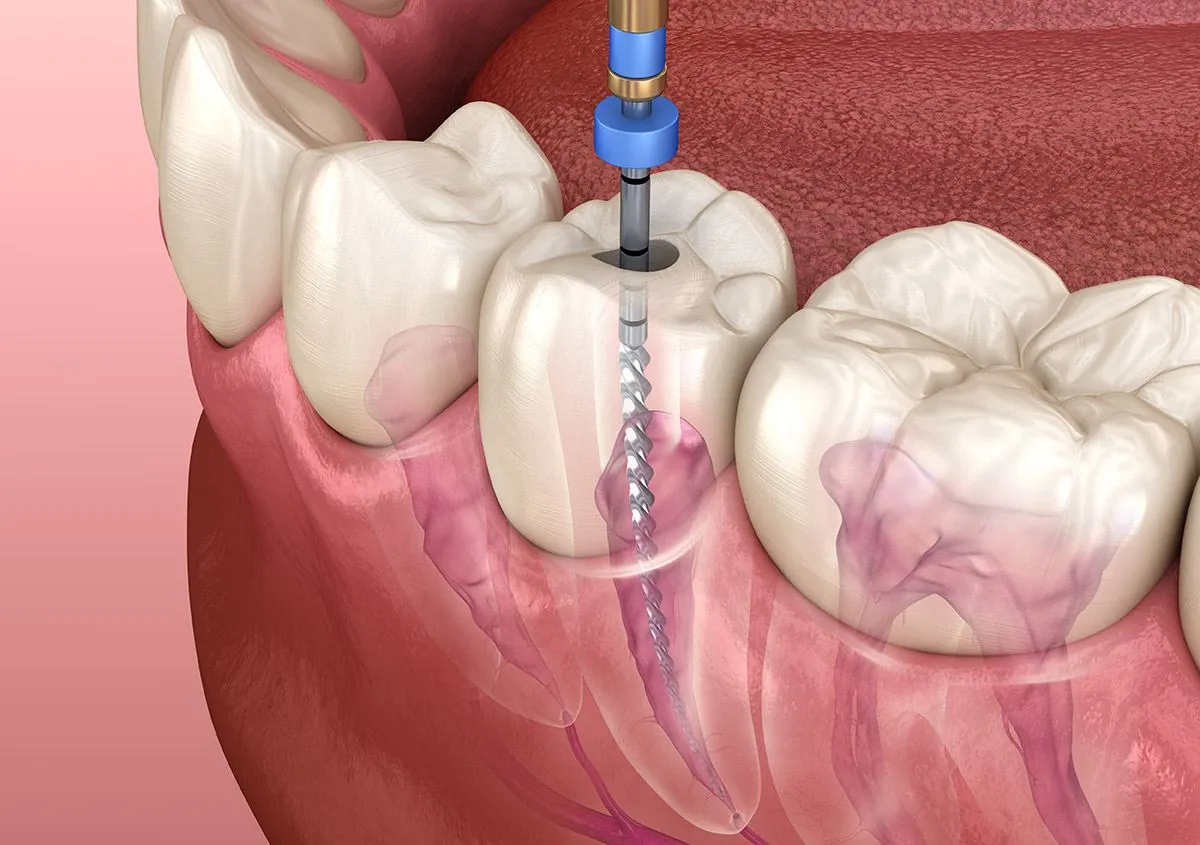
- Access: Creating a small opening to reach the pulp
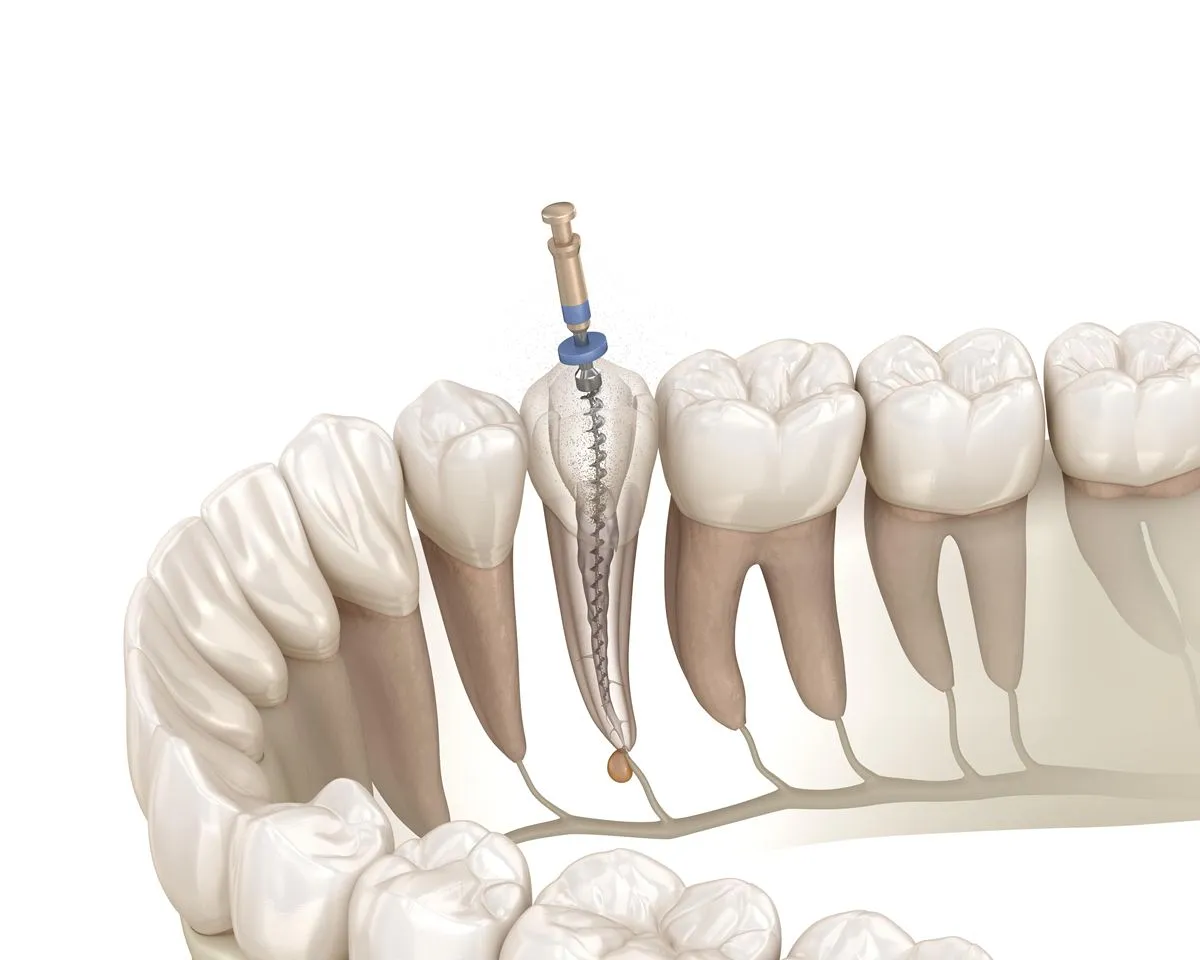
- Removal: Taking out infected or damaged pulp tissue
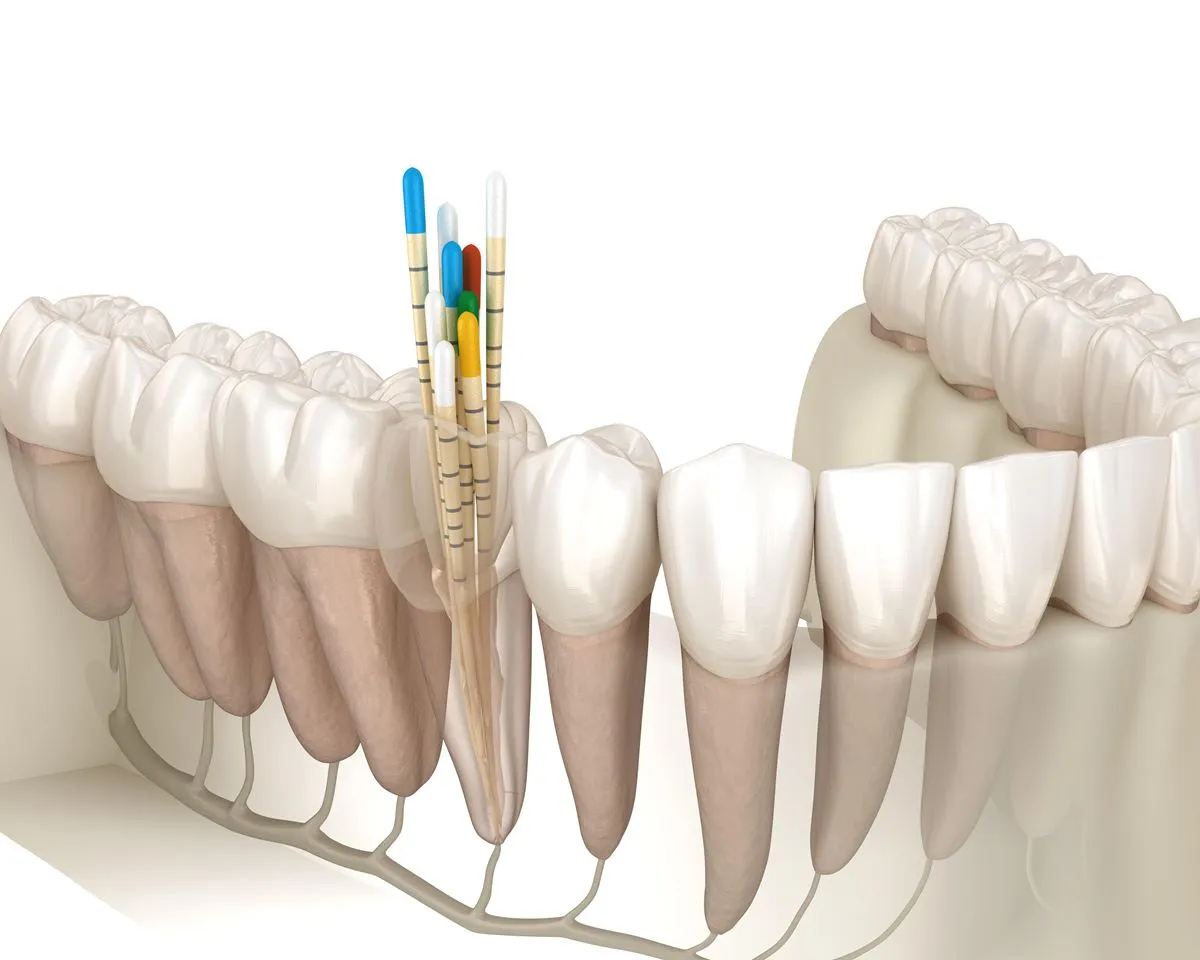
- Cleaning: Shaping and disinfecting the canal
- Filling: Sealing the canal with a special material
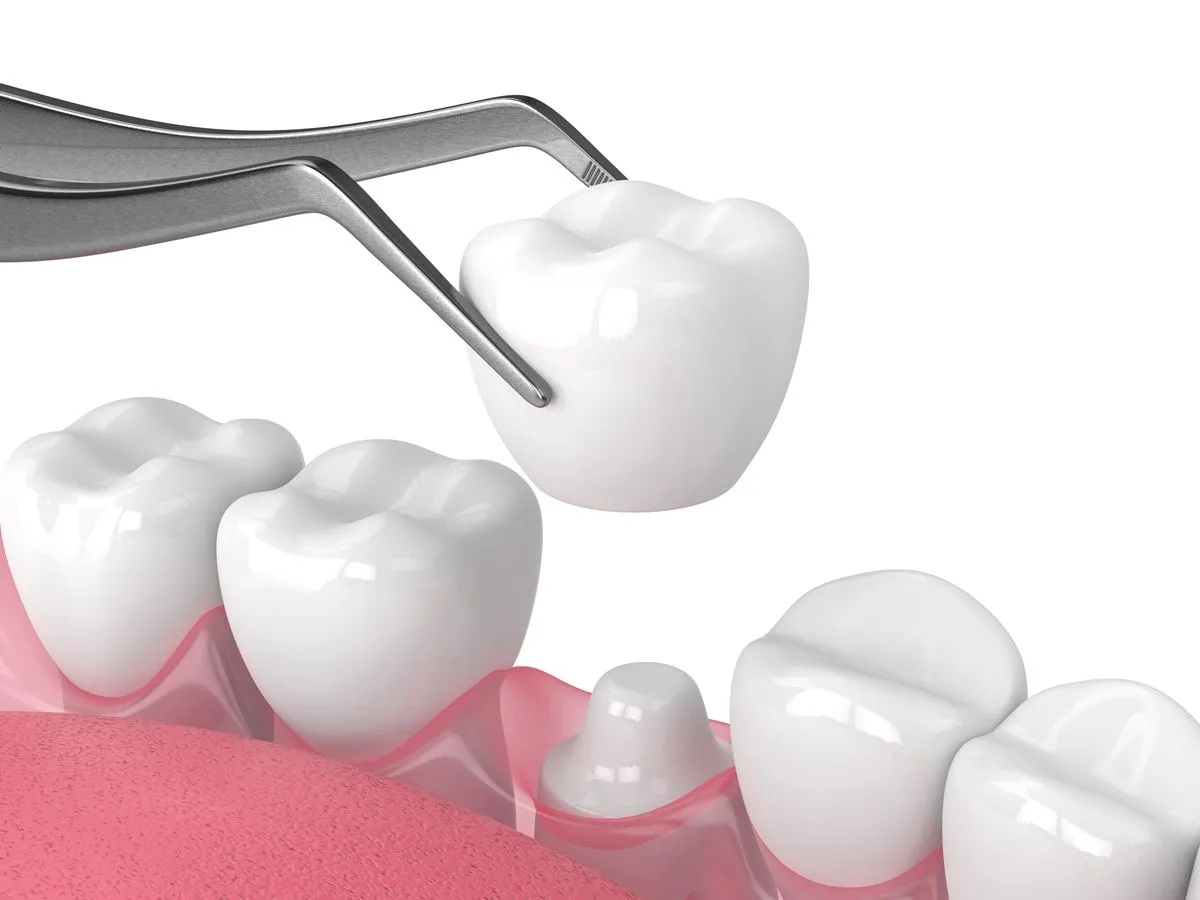
- Restoration: Placing a crown or filling to protect the tooth
Benefits of Root Canal Therapy
- Saves the natural tooth
- Relieves pain and discomfort
- Prevents infection spread
- Restores chewing and biting function
- Boosts oral health and confidence
Symptoms Indicating a Root Canal May Be Needed
- Severe toothache or pain
- Sensitivity to hot or cold temperatures
- Swelling or tenderness around the tooth
- Discoloration or darkening of the tooth
- Pus or abscess around the tooth
Post-Procedure Care
- Follow post-procedure instructions
- Take prescribed medications as directed
- Avoid chewing on the treated tooth until restored
- Attend follow-up appointments for monitoring