Skip to content

Tooth Extractions

Gentle removal of teeth that are too damaged, decayed or crowded to save, with clear aftercare for a smooth recovery.

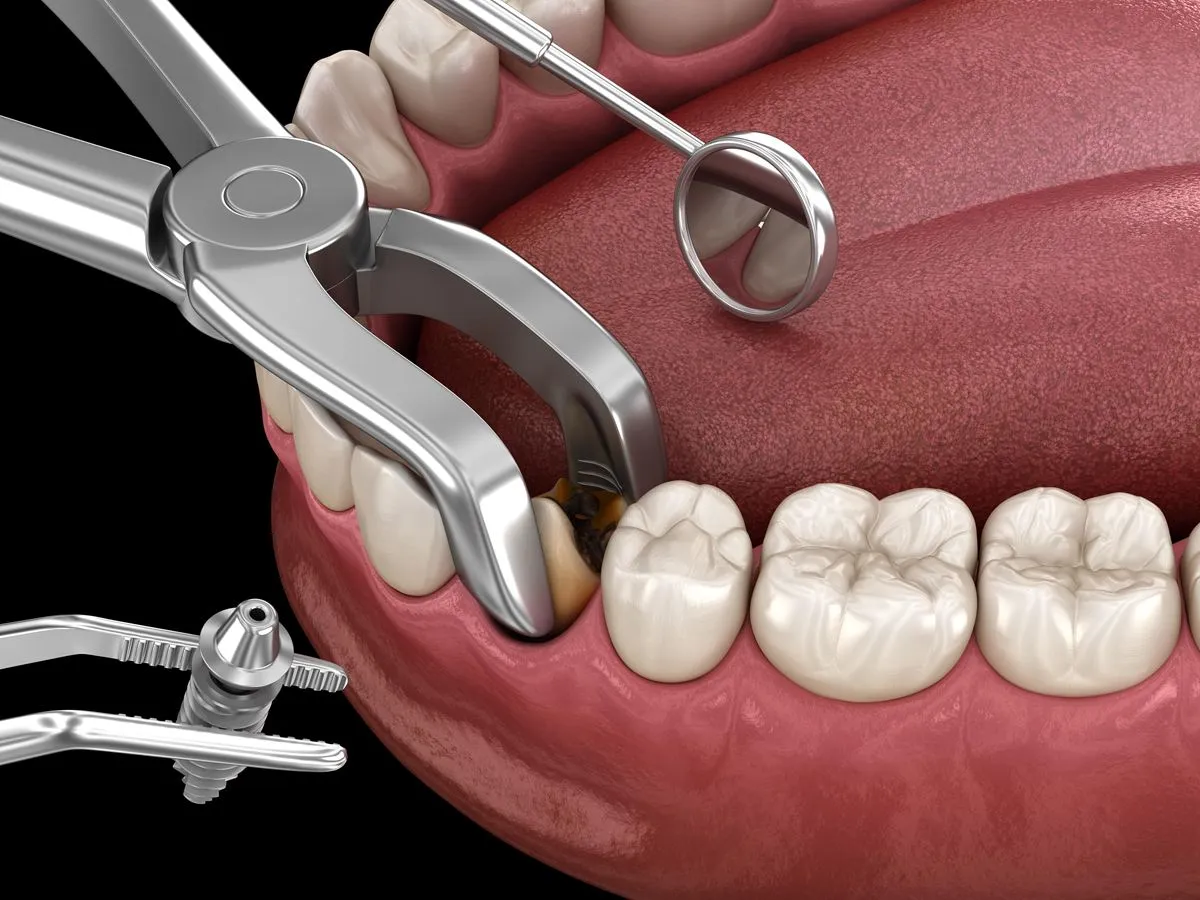
3D illustration of forceps removing a decayed molar, with a dental implant ready to replace it

Tooth Extraction: When and Why It's Necessary

Tooth extraction is a common dental procedure performed when a tooth is severely damaged, decayed, or impacted and cannot be saved through other treatments like fillings, crowns, or root canals. Extraction may also be required for teeth that are causing alignment issues or overcrowding. In cases of advanced decay or infection, removing the tooth may be the best way to protect your overall oral health and prevent further complications.

The Tooth Extraction Procedure

During the procedure, your dentist will numb the area around the tooth using local anesthesia so you stay comfortable. For simple extractions, the dentist will gently loosen the tooth by rocking it back and forth before removing it from the socket. Surgical extractions, often used for impacted teeth, may involve making a small incision in the gum. While the process is generally straightforward, you may feel some pressure, but pain is typically minimal due to the anesthesia.

Post-Extraction Recovery

After a tooth extraction, it's normal to experience swelling, minor bleeding, and discomfort. Following your dentist’s post-operative care instructions is key to a smooth recovery. You’ll need to rest, use ice packs to reduce swelling, and follow any prescribed pain management. Avoid chewing on the extraction site and stick to soft foods until the area heals. Full recovery can take 1-2 weeks, but most people return to normal activities after a few days.

Tooth extraction is a safe and effective way to protect your oral health when a tooth is beyond saving. With proper care and follow-up, you’ll be on the path to recovery in no time.
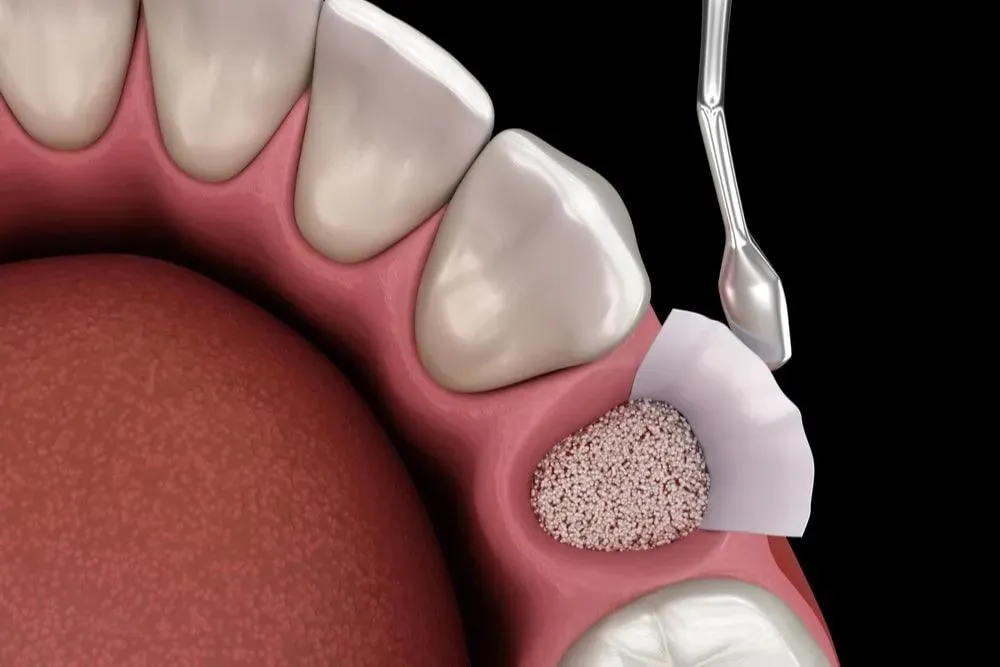
After your treatmentRead our tooth extractions aftercare instructions

Frequently asked questions

Have a question that isn't answered here? Call or message us and our team will help.

You may need a tooth extraction if your tooth is severely damaged, decayed, or impacted, and cannot be saved with a filling, crown, or root canal.

The dentist will numb the area around the tooth with anesthesia, then gently rock the tooth back and forth to loosen it from the socket. Once loose, the tooth is removed.

Local anesthesia numbs the area, so you shouldn't feel pain, only some pressure. Mild soreness afterwards is normal and usually eases within a few days.

A simple extraction can take 10-30 minutes, while more complex extractions may take longer.

Possible risks include infection, bleeding, dry socket, or damage to nearby teeth or tissues, though these risks are minimized with proper care.

Expect some swelling and discomfort, which can be managed with ice packs and rest. Full recovery usually takes 1-2 weeks.

Avoid chewing on the extraction site for a few days. Stick to soft foods and avoid hot, spicy, or sharp-edged foods.

Healing time varies, but most people can resume normal activities within a few days. Full recovery may take 1-2 weeks.

In some cases, a replacement may be recommended, especially for important teeth. Options include dental implants, bridges, or dentures.

Depending on the condition of the tooth, alternatives such as root canal therapy or crowns may be possible. Consult with your dentist to find the best solution for your case.

More in Oral Surgery

About Oral Surgery
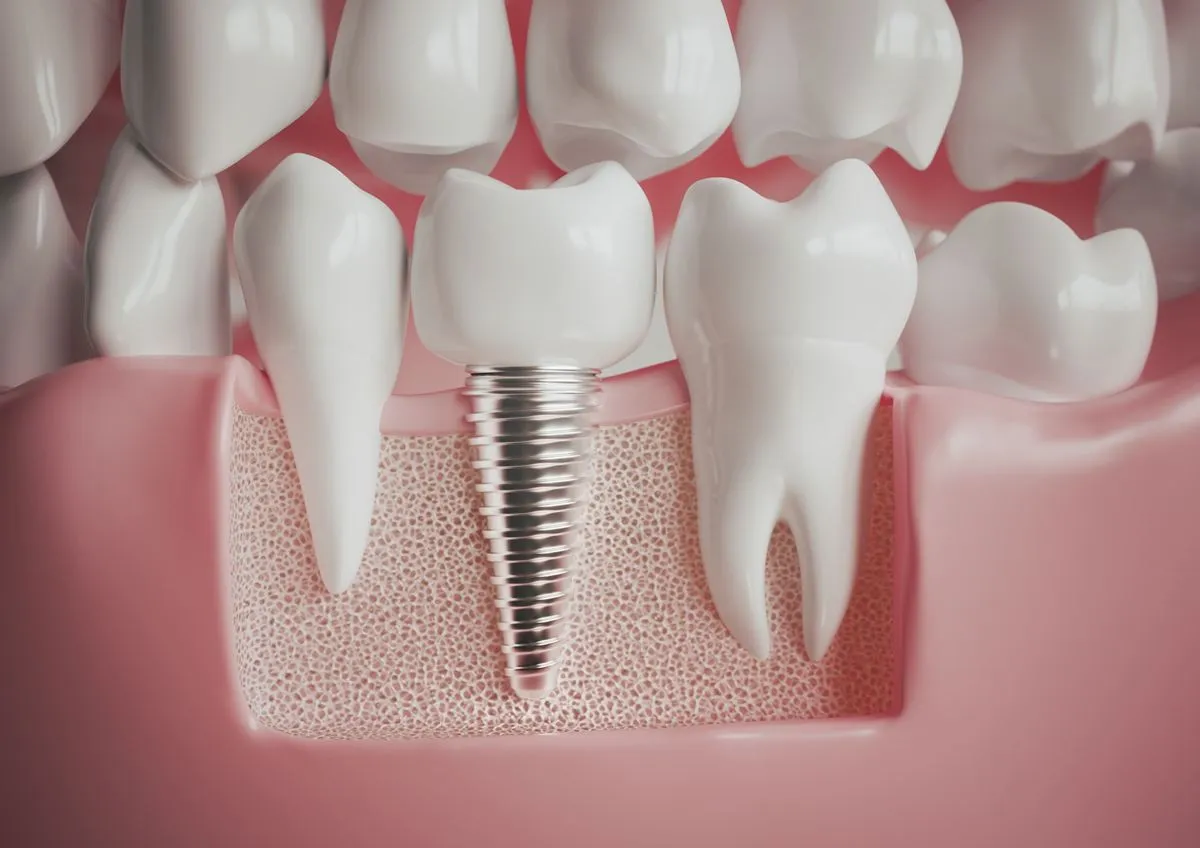
  • Dental implant post supporting a crown to replace a missing tooth
    Oral Surgery

    Dental Implants

    Replace missing teeth with a titanium implant and a custom crown that looks, feels and works like a natural tooth.

  • Bone graft rebuilding the jawbone to support a dental implant
    Oral Surgery

    Bone Grafting

    Dental bone grafting rebuilds jawbone lost after tooth loss or gum disease, creating a stable base for dental implants.

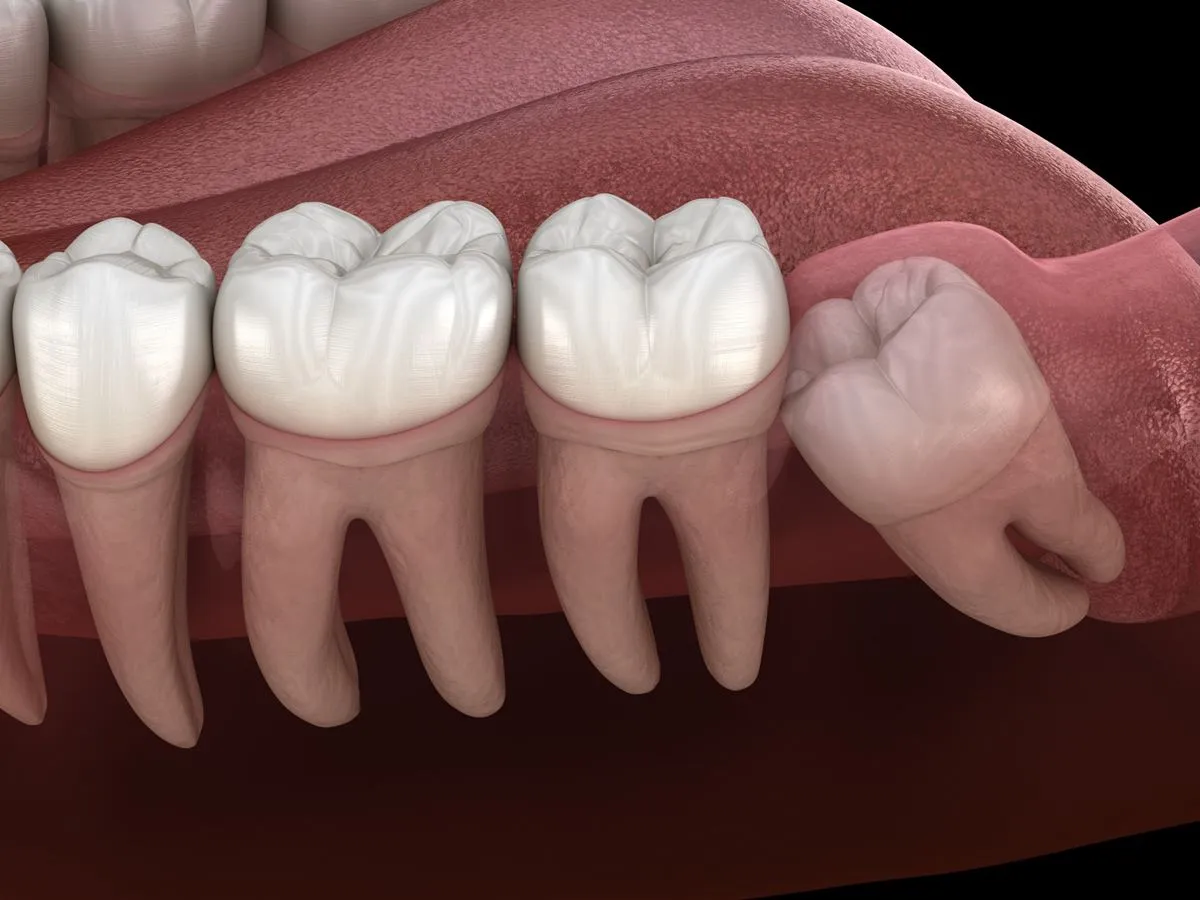
  • Wisdom teeth (third molars) at the back of the jaw
    Oral Surgery

    Wisdom Teeth Removal

    Removal of wisdom teeth (third molars) that are impacted, crowded or painful, before they harm the teeth next to them.

Book your visit

Choose a time online, or message us on WhatsApp and our front desk will help you find one. We speak English and Spanish.

SkyBlue Dentistry storefront at 344 Wilshire Blvd in Casselberry, Florida
344 Wilshire BlvdCasselberry, FL 32707
Monday – Friday8:00 AM – 6:00 PM
Get directions (opens in a new tab)