Skip to content

Dental Bridges

A fixed replacement for one or more missing teeth, anchored to the natural teeth or implants on either side of the gap.

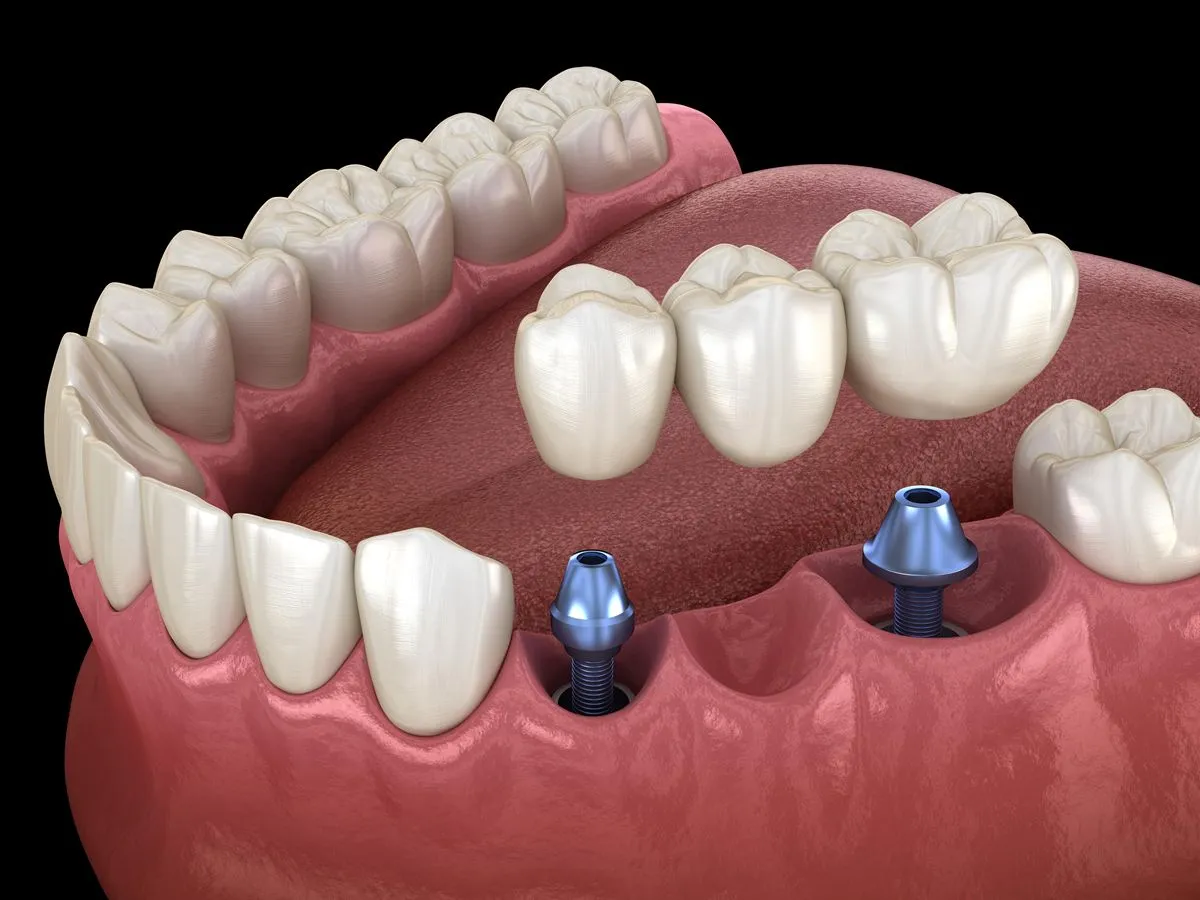
Dental bridge anchored to neighboring teeth to fill a gap

Types of Dental Bridges

  • Traditional Bridge: Made of porcelain or ceramic, supported by natural teeth on either side.
  • Cantilever Bridge: Supported by a single natural tooth on one side.
  • Maryland Bonded Bridge: Made of porcelain or ceramic, supported by a metal framework and bonded to adjacent teeth.
  • Implant-Supported Bridge: Supported by dental implants instead of natural teeth.

Why Are Dental Bridges Needed?

  • To restore chewing and speaking abilities
  • To maintain facial shape and appearance
  • To prevent surrounding teeth from shifting
  • To improve oral health and hygiene

The Bridge Process

  1. Consultation: Discussing the need for a bridge and the options available.
  2. Preparation: Shaping the abutment teeth to receive the bridge.
  3. Impression: Taking an impression of the prepared teeth.
  4. Lab creation: Creating the bridge in a dental lab.
  5. Fitting: Trying on the bridge for fit and comfort.
  6. Cementation: Cementing the bridge into place.

Benefits of Dental Bridges

  • Restores natural appearance and function
  • Improves oral health and hygiene
  • Boosts confidence in your smile
  • Durable and long-lasting

Care and Maintenance

  • Practice good oral hygiene habits
  • Avoid chewing on hard objects
  • Attend regular dental check-ups
  • Avoid using teeth as tools
After your treatmentRead our dental crowns and bridges aftercare instructions

Frequently asked questions

Have a question that isn't answered here? Call or message us and our team will help.

A well-cared-for bridge usually lasts 5 to 15 years or longer. Its lifespan depends mostly on the health of the teeth or implants that hold it, so daily cleaning under the bridge and regular check-ups matter most.

Brush twice a day, and once a day clean under the false tooth with a floss threader, super floss or a water flosser, so food and plaque don't build up along the gums.

No. The false teeth in a bridge keep the shade they were made in. If you would like whiter teeth, whiten your natural teeth first; the new bridge is then matched to your brighter shade.

No. The supporting teeth are numbed before they are shaped, so you shouldn't feel pain during the visit. Those teeth may feel sensitive to hot and cold for a few days, which usually settles on its own.

Yes. If a bridge wears out or loosens, or a supporting tooth develops decay, it can be removed and replaced with a new bridge, or with dental implants if they suit you better.

More in Restorative & Prosthodontic

About Restorative & Prosthodontic
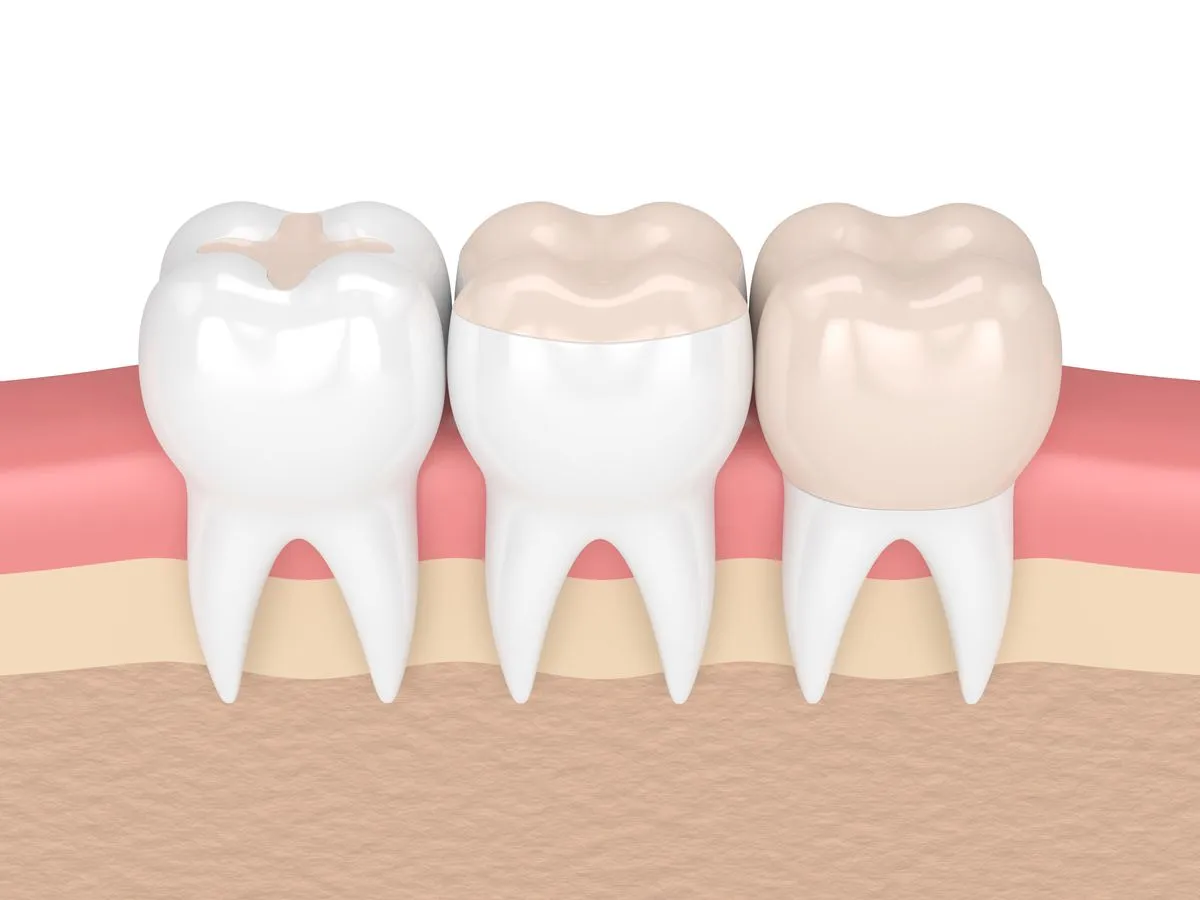
  • Restorative dental treatment repairing a damaged tooth
    Restorative & Prosthodontic

    Restorative Procedures

    Treatments that repair decayed, cracked or worn teeth, from fillings to crowns, so they work and look healthy again.

  • Dental bridge used to replace missing teeth
    Restorative & Prosthodontic

    Prosthodontic Procedures

    Natural-looking crowns, bridges, dentures and implant-supported teeth that replace missing teeth and restore your bite.

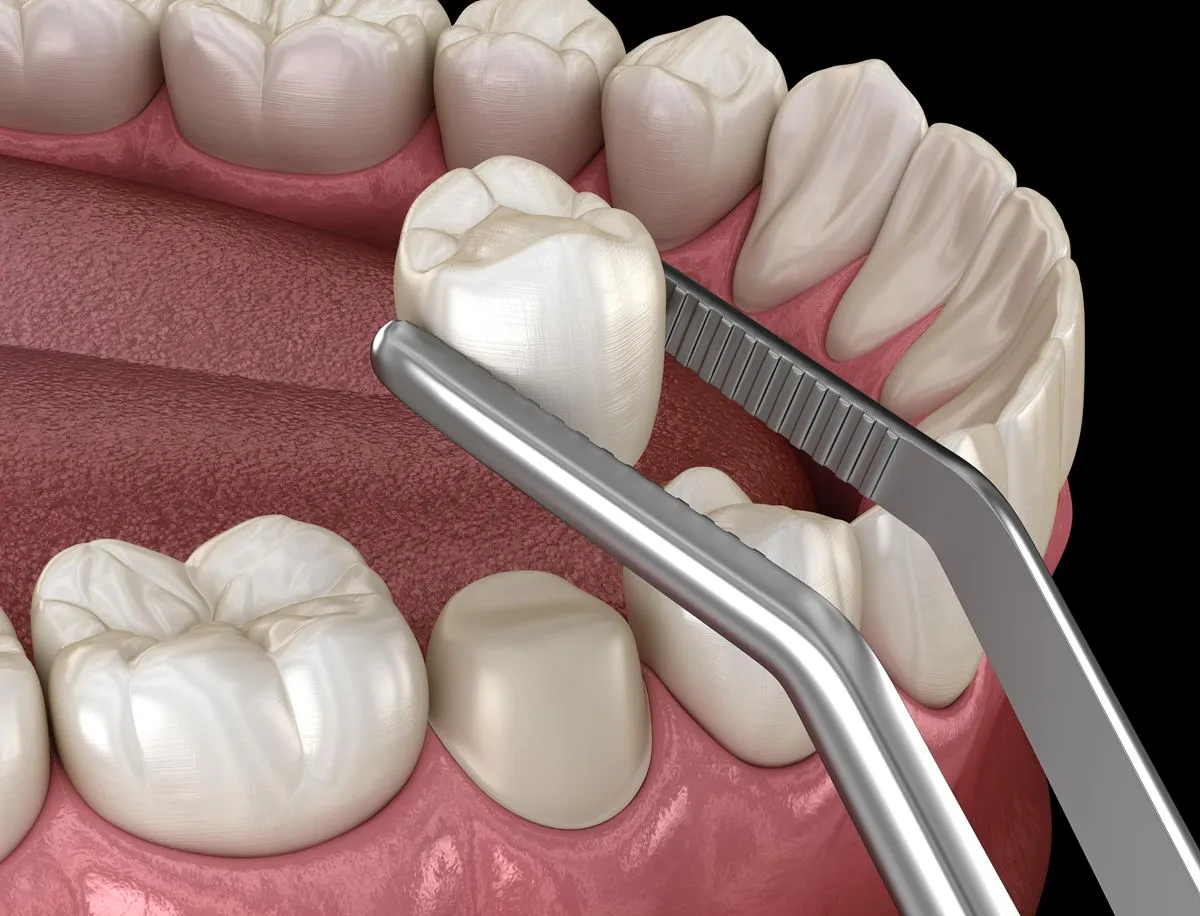
  • Custom dental crown being placed over a prepared tooth
    Restorative & Prosthodontic

    Dental Crowns

    A custom-made cap that covers a damaged or weak tooth, restoring its shape, strength and appearance.

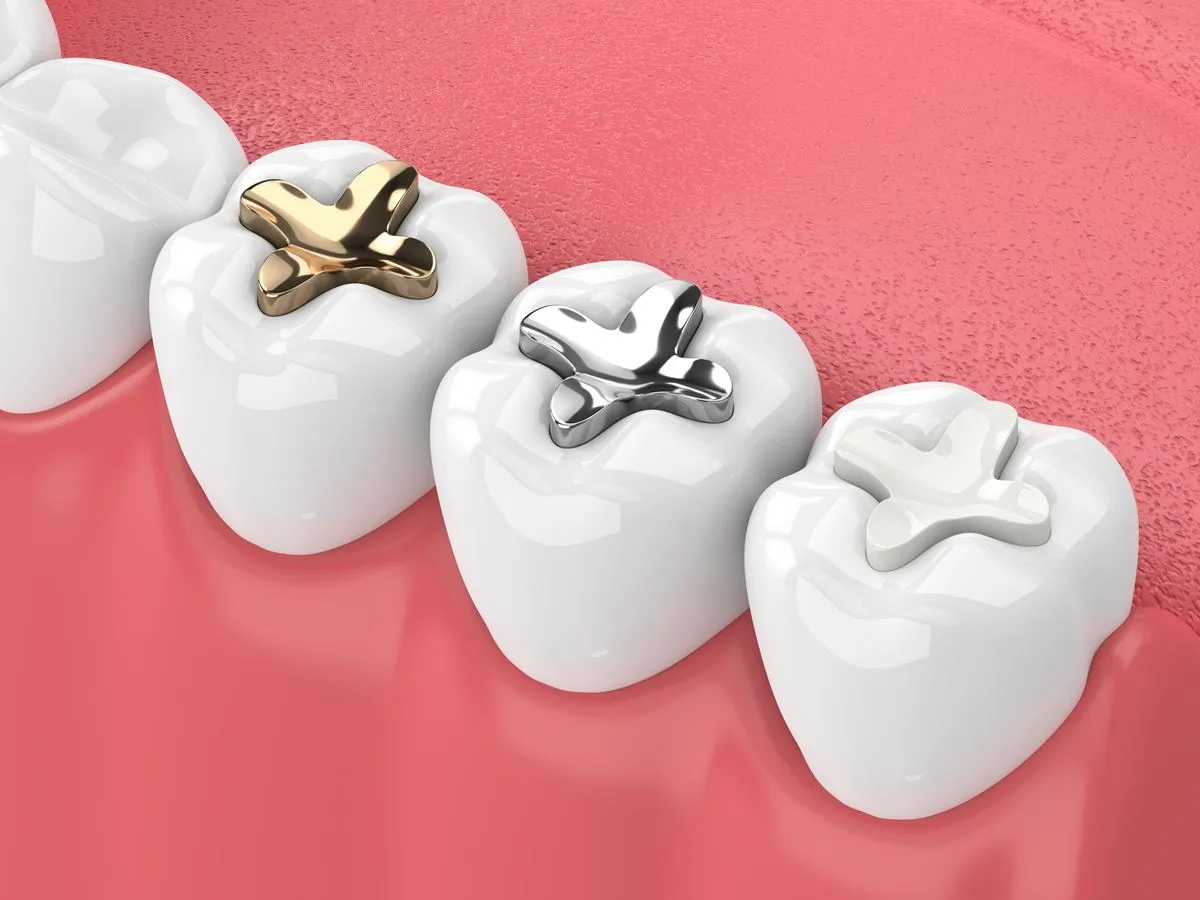
  • 3D illustration of gold, metal and tooth-colored fillings in three molars
    Restorative & Prosthodontic

    Restoration with a Filling

    Tooth-colored fillings that repair cavities, fractures and wear, and protect the tooth from further decay.

Book your visit

Choose a time online, or message us on WhatsApp and our front desk will help you find one. We speak English and Spanish.

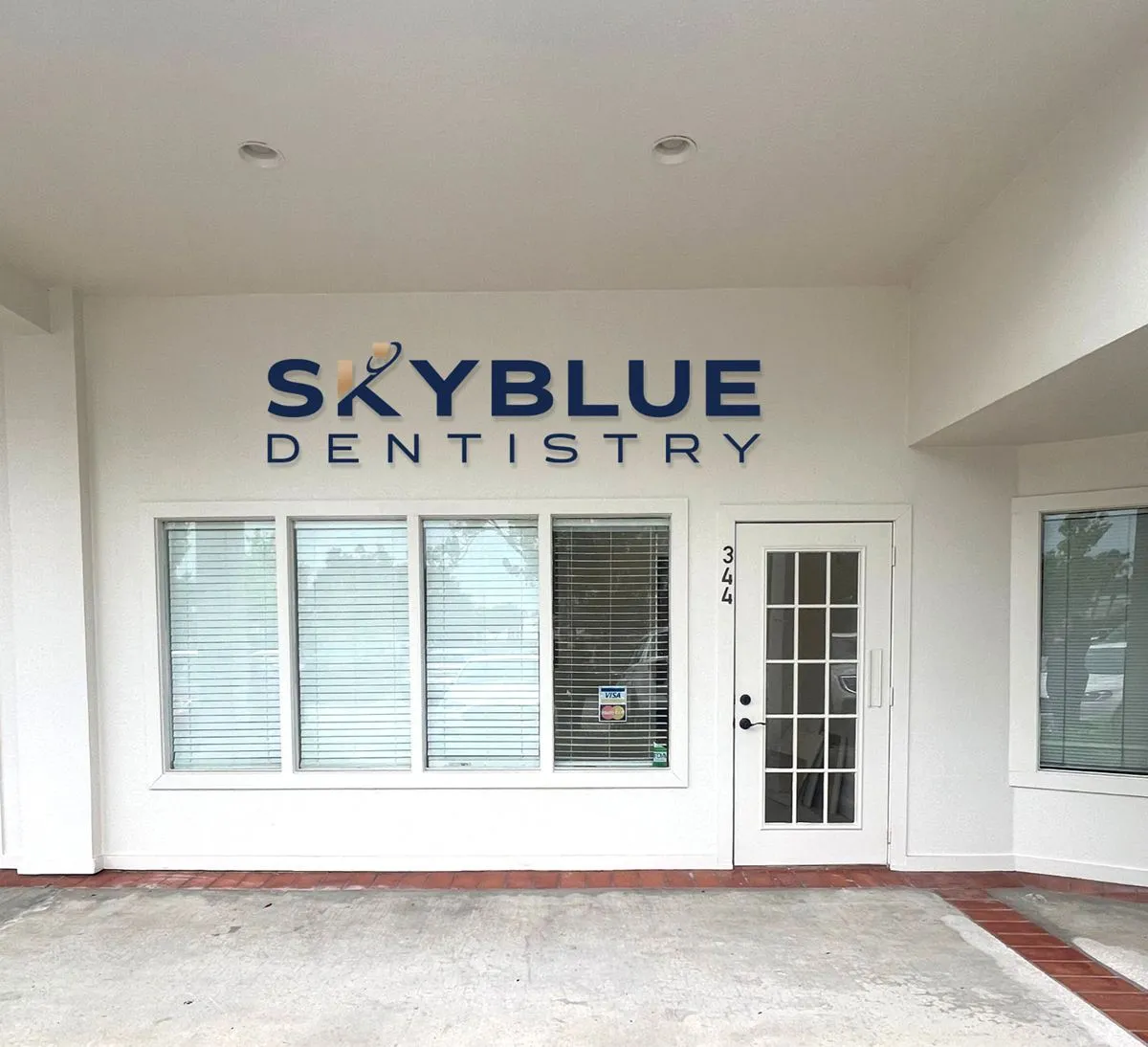
SkyBlue Dentistry storefront at 344 Wilshire Blvd in Casselberry, Florida
344 Wilshire BlvdCasselberry, FL 32707
Monday – Friday8:00 AM – 6:00 PM
Get directions (opens in a new tab)